


Poor Academic Performance Can Lead To Depression Among Undergraduates : Survey
By Oladejo Mariam
A survey conducted among undergraduate students has revealed that poor academic performance can lead to depression and, in severe cases, suicide, highlighting growth in concerns about the mental well-being of students in higher institutions.
The survey found that eight out of the ten respondents agreed that persistent academic failure can have serious psychological consequences, while two respondents maintained that poor academic performance should not be a reason for depression or suicidal thoughts.
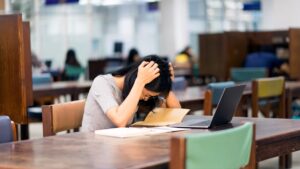
Speaking during the interview, Mole Moses said repeated failure in examinations such as WAEC, JAMB, or university examinations can make students feel hopeless and emotionally overwhelmed.
According to him, “When students repeatedly fail important examinations, some lose confidence and may become depressed. If they do not receive support, it can even lead to suicidal thoughts.”
Another respondent, Merry, attributed the issue to the stress, anxiety, and emotional pressure that often accompany poor academic performance. She urged students battling academic challenges to seek help from family members, friends, lecturers, or professional counselors.

“Every problem has a solution. Students should not keep their struggles to themselves but should speak up and ask for help,” she said.
Also speaking, Darasimi shared the experience of a student whose Grade Point Average (CGPA) declined despite studying diligently. She advised students not to lose hope because academic setbacks are temporary and can be overcome through perseverance.
Similarly, Lola observed that students who constantly compare their academic performance with that of their peers may develop feelings of inadequacy, which could eventually result in depression if not properly managed.
However, Jowhan, one of the respondents who disagreed, argued that poor academic performance should not be linked to suicide. He maintained that academic challenges are part of the learning process and should motivate students to improve rather than discourage them.
Another respondent who shared a similar opinion said determination, resilience, and hard work remain the keys to overcoming academic difficulties.
The findings of the survey indicate that while many undergraduates recognize the psychological effects of poor academic performance, they also believe that timely intervention, emotional support, and effective counseling services can help students cope with academic pressure.
Respondents called on higher institutions to strengthen counseling units, promote mental health awareness, and create supportive learning environments where students can seek assistance without fear of stigma.
The survey concludes that although poor academic performance does not affect every student in the same way, adequate support systems and early intervention are essential in preventing depression and reducing the risk of suicide among undergraduates.
Oladejo Mariam Abidemi is a 300 level student from the Department of Mass Communication, Lens University Ilemona










Leave a Reply