

Special Report: How Departmental Dress Policy Curb Indecent Dressing on Campus
By 300 Level Journalism Students, Lens University
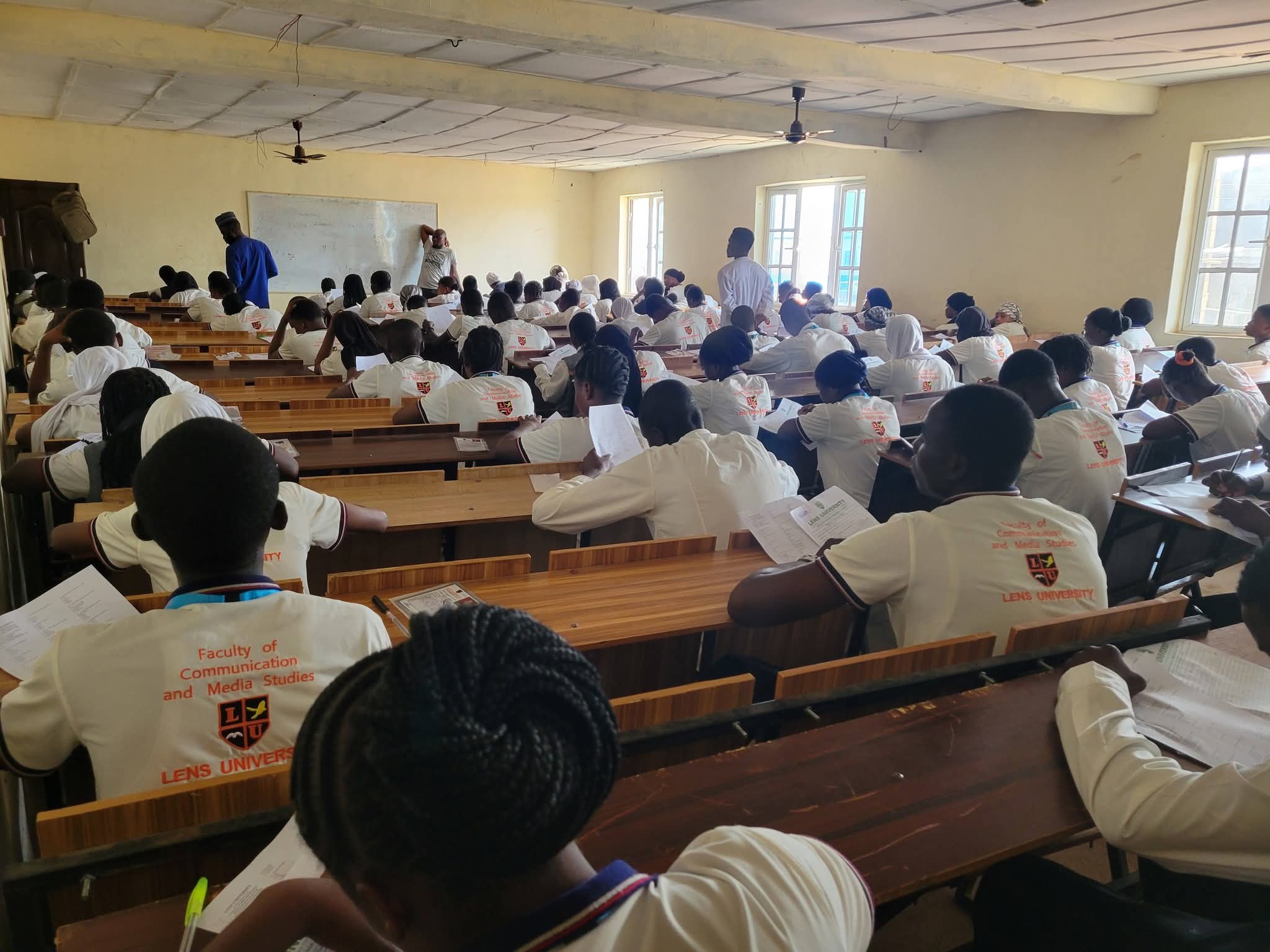
The departmental wear policy introduced by the institution is helping to promote decent dressing, strengthen student identity, and improve security on campus, according to findings from a survey conducted by 300 Level First Semester Journalism students of Lens University Ilemona.
The interview and observation exercise, conducted on Friday, 17 July 2026, revealed that while compliance with the policy varies across departments, a majority of respondents agreed that the dress code has contributed to reducing indecent dressing and making students easily identifiable.
The observation recorded the highest level of non-compliance among 200 Level, First Semester Nursing students. Out of 135 students observed, only five wore departmental vests, while 130 appeared in normal wear, representing a compliance rate of about 3.7 percent.
In contrast, all 15 students observed in 100 Level, Second Semester Public Health complied with the approved dress code. Fourteen students wore their departmental attire, while one wore the departmental vest, resulting in full compliance within the class.
Among 300 Level, First Semester students, all four Public Health students and all 16 Journalism and Media Studies students observed appeared in normal wear during the exercise.
Despite the varying level of compliance, many students expressed support for the policy because of its role in encouraging decent dressing and creating a sense of belonging.
Akeushola Fatima Omowunmi, a 300 Level Public Health Science student, said the policy should continue because it helps distinguish students from lecturers and makes it easier to identify students from different departments.
Adeoye Omeresola, a 200 level, Medical Laboratory Science student, said departmental wear strengthens students’ sense of identity and enables them to easily recognize members of their department.
Daniel Akorede, a 200 level, Medical Laboratory Science student, also supported the policy, saying a standard dress code promotes proper appearance and reduces distractions that may arise from inappropriate dressing. He, however, appealed to the institution to make the attire more affordable and ensure that students receive properly fitted uniforms.
Ibrahim Samad, a 100 Level, First Semester Mass Communication student, endorsed the policy but suggested that the number of compulsory days should be reduced, noting that oversized uniforms discourage some students from wearing them regularly.
Similarly, Joy, a 200 level Cyber security student, said students sometimes avoid wearing departmental wear because of poor fitting. She suggested that the institution should make the attire compulsory only on selected days while allowing corporate dressing on other lecture days.
Emmanuel Agibui, a student respondent, described the policy as part of the institution’s regulations, adding that every organization requires standards that members are expected to obey.
Although several respondents called for improvements in the implementation of the policy, including better sizing, affordability, and fewer compulsory days, they generally agreed that departmental wear discourages indecent dressing, enhances discipline, promotes departmental identity, and improves campus security.
The survey concludes that while compliance remains uneven across some departments, students largely acknowledge the importance of departmental wear in fostering discipline, decent appearance, and a positive image for the institution.

NOTE: The above report is a scientific and data journalism practical assignment by journalism and media studies students, Lens University Ilemona under the tutelage of Usman Issa ( Busy Brain )










Leave a Reply